
Table of Contents
There are microphones that become popular for a few years, and then there are microphones that become legends. The Shure SM57 belongs in the second category. This microphone has survived decades of changing music trends, studio technology, and recording styles while still remaining one of the most respected tools in audio production. That alone says something important.
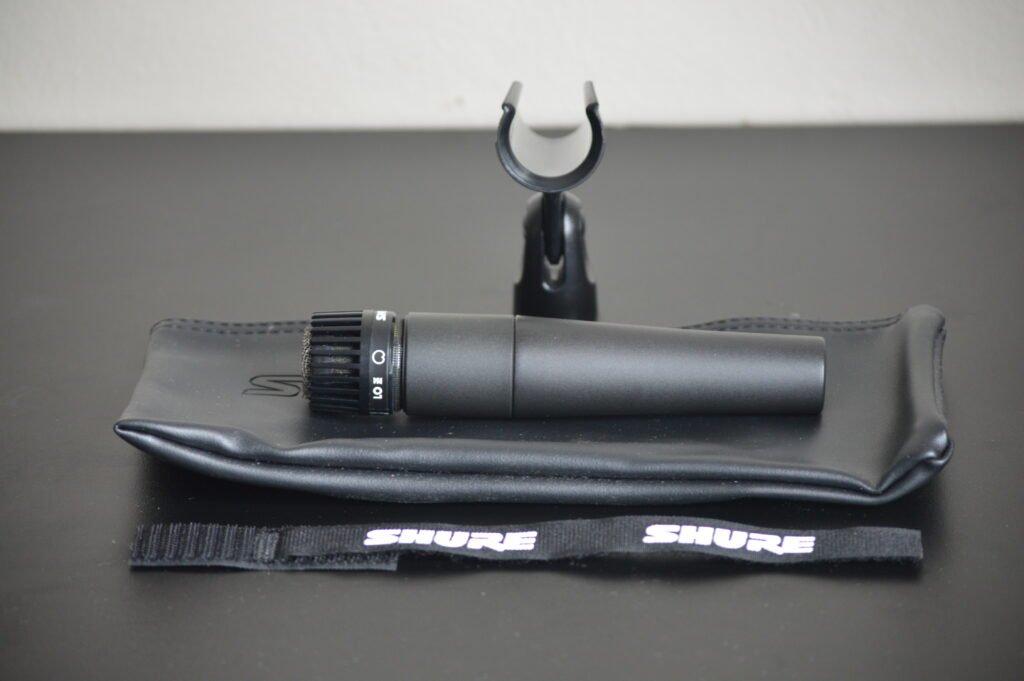
The crazy part about the SM57 is how simple it looks. No flashy RGB lights. No touchscreen controls. No futuristic design. Just a plain dynamic microphone with a metal grille that almost looks too basic to be special. Yet somehow, this small microphone ended up recording world-famous albums, legendary guitar amps, political speeches, podcasts, snare drums, and vocals across thousands of studios worldwide.
What makes the SM57 truly unique is its versatility. Most microphones have one main purpose. Some are only good for vocals. Others only shine on instruments. The SM57 somehow became known as the “everything mic” because it works on almost anything you put in front of it. Guitar cabinets? Amazing. Snare drums? Legendary. Podcast vocals? Surprisingly solid. Live performances? Reliable. Studio recording? Absolutely.
According to Shure Official Website, the SM57 uses a cardioid dynamic design specifically engineered for instrument recording and live sound reinforcement. Its tailored frequency response and pneumatic shock mount system helped make it one of the best-selling microphones ever created.
If microphones were cars, the SM57 would probably be the Toyota Hilux of the audio world. It’s affordable, durable, reliable, and somehow keeps working no matter how badly people treat it. Producers have dropped it, toured with it, taped it to weird recording setups, and used it in environments that would destroy other microphones. Yet the SM57 continues to survive almost everything.
That combination of affordability, flexibility, and legendary reliability is exactly why so many engineers still call the Shure SM57 the king of affordable microphones.
Why the SM57 Became Legendary
A Microphone Built for Everything
Most microphones are specialists. They do one thing extremely well and struggle outside their comfort zone. The Shure SM57 ignored that idea completely. It became famous because engineers realized it could handle almost any recording situation they threw at it.
Need to mic a loud guitar cabinet? The SM57 works.
Recording a snare drum? Perfect.
Capturing aggressive rap vocals? Surprisingly good.
Podcasting in an untreated bedroom? Also works.
That flexibility changed everything for beginner producers and small studios. Instead of buying five expensive microphones for different tasks, people could buy one affordable SM57 and record almost anything immediately.
The reason this microphone works so well across multiple applications comes down to its tuning. The SM57 has a focused midrange presence that helps instruments and vocals cut through mixes naturally. It also handles high sound pressure levels extremely well, which is why loud guitar amps and drums don’t overwhelm it easily.
Another massive advantage is background noise rejection. Condenser microphones capture every little detail in a room, including fans, reflections, traffic, keyboards, and noisy environments. The SM57’s dynamic design naturally rejects much of that unwanted noise. That makes it especially useful in untreated home studios where perfect acoustics simply don’t exist.
Why Studios Still Use It Today
One of the most impressive things about the SM57 is that professional studios still rely on it heavily even after decades of newer microphone releases. That’s rare in the music industry. Technology usually moves fast, and older gear often becomes outdated.
The SM57 somehow escaped that fate.
Walk into major recording studios and you’ll still find SM57s sitting near guitar amps, drum kits, and vocal setups. Engineers trust it because it consistently delivers usable results without unnecessary complications.
According to Sweetwater, the SM57 remains one of the most popular microphones worldwide because of its reliability and versatility across live and studio environments.
That consistency matters more than people realize. When recording sessions become stressful, engineers want gear that simply works every time without surprises.
The SM57 became legendary because it removes uncertainty.
Shure SM57 Specifications
Dynamic Cardioid Design
The SM57 uses a dynamic cardioid pickup pattern, which means it captures sound mainly from the front while rejecting noise from the sides and rear. This helps isolate instruments and vocals more effectively in noisy environments.
Dynamic microphones also require no external power source like phantom power, making them simpler and more reliable in many situations.
One reason producers love dynamic microphones is durability. Condenser microphones can sometimes feel delicate and fragile. The SM57 feels like studio equipment built for survival.
According to Shure Official Website, the SM57 includes a pneumatic shock mount system designed to reduce handling noise and improve consistency during recording and live performance.
Frequency Response
The SM57 has a frequency response of roughly 40Hz to 15kHz, with a noticeable presence boost in the midrange frequencies. That midrange emphasis helps vocals, guitars, snares, and instruments cut through dense mixes naturally.
This tuning is part of why the microphone sounds so recognizable. It doesn’t necessarily capture ultra-detailed highs like expensive condenser microphones, but it captures the important core of a sound extremely well.
In music production, clarity often matters more than excessive detail.
Durability and Build Quality
The SM57 is almost famous for being indestructible. There are endless stories online of engineers dropping these microphones, touring with them for years, or using them in harsh live environments without issues.
The metal grille and rugged body design allow the microphone to survive situations that would seriously damage more delicate microphones.
That reliability makes it especially attractive for:
- Home studios
- Touring musicians
- Beginner producers
- Podcast setups
- Schools
- Churches
- Live performance venues
It’s honestly difficult to think of another microphone with a stronger reputation for durability.
Sound Quality Review
Midrange Character
The SM57’s sound is heavily defined by its midrange response. Instead of sounding extremely airy or bright, it focuses more on punch, clarity, and presence.
This is one reason electric guitars sound so good through it. The midrange emphasis helps guitars cut through dense instrumentals without sounding muddy.
Vocals also benefit from this tuning, especially aggressive genres like hip hop, punk, rock, or rap where articulation matters heavily.
Some people describe the SM57 as sounding “forward” or “focused.” That’s actually part of its magic. It naturally places important frequencies where they need to sit in a mix.
Handling Loud Sound Sources
The SM57 handles loud audio sources extremely well. Drums, guitar cabinets, brass instruments, and loud vocals rarely overload the microphone.
This is a huge reason why engineers continue placing SM57s directly against guitar amplifiers. The microphone captures punch and aggression beautifully without collapsing under volume.
Many condenser microphones struggle with extremely loud sources unless properly padded. The SM57 simply handles pressure naturally.
Vocal Recording Performance
The SM57 is not traditionally marketed as a vocal microphone like the SM58, but many producers still use it for vocals successfully.
In untreated rooms, the SM57 can actually outperform cheaper condenser microphones because it captures less room reflection and background noise.
For aggressive rap vocals, rock vocals, or podcasting, the SM57 often sounds focused and controlled. Pairing it with a good audio interface or preamp can improve results even further.
It may not have the super airy top-end of expensive condenser microphones, but its clean and controlled sound works beautifully in many real-world home studio environments.
Best Uses for the SM57
Recording Guitar Amps
If the SM57 had a main job title, it would probably be “guitar amp microphone.”
This microphone became legendary partly because of how well it captures electric guitar cabinets. The focused midrange and controlled highs help distorted guitars sound punchy and mix-ready immediately.
Many iconic guitar recordings used SM57s positioned directly against speaker cabinets.
Snare Drums and Percussion
The SM57 is practically the default snare drum microphone in studios worldwide.
It captures attack beautifully while rejecting excessive cymbal bleed from surrounding drums. Its durability also helps because drumstick accidents happen constantly during sessions.
Percussion instruments like bongos, congas, and shakers also benefit from the microphone’s focused response.
Podcast and Streaming Use
More podcasters and streamers are discovering the SM57 because of its background noise rejection.
Unlike sensitive condenser microphones, the SM57 ignores much of the room noise that ruins beginner recordings.
For untreated bedrooms or noisy environments, this becomes a major advantage.
Home Studio Vocals
Home studio producers often assume they need expensive condenser microphones immediately. In reality, the SM57 can deliver excellent vocal recordings when used properly.
Especially for rap, spoken word, aggressive vocals, or untreated spaces, the SM57 performs surprisingly well.
SM57 vs SM58
Main Differences
The SM57 and SM58 are extremely similar internally. The biggest difference is the grille design.
| Feature | SM57 | SM58 |
|---|---|---|
| Main Use | Instruments & studio | Vocals & live performance |
| Grille Design | Smaller grille | Ball grille with pop filtering |
| Vocal Protection | Less built-in | Better plosive protection |
| Guitar Recording | Excellent | Good |
| Snare Drum Use | Legendary | Less common |
Which One Is Better
Neither is objectively better.
It depends on the job.
The SM58 works slightly better for live vocals because of the built-in pop filtering. The SM57 works better for instruments and studio flexibility.
Many engineers own both because they complement each other perfectly.
SM57 vs Condenser Microphones
Noise Rejection
One of the biggest advantages dynamic microphones have over condensers is room rejection.
Condensers capture every little sound in a room. That’s amazing in professional studios but frustrating in untreated bedrooms.
The SM57 focuses more directly on the source, helping reduce room reflections and environmental noise naturally.
Room Treatment Advantages
For beginners without acoustic treatment, the SM57 can actually produce cleaner recordings than cheaper condenser microphones.
That surprises many people initially.
The microphone works with the room instead of exposing every weakness brutally.
Why Producers Love the SM57
The SM57 became beloved because it solves problems simply.
It’s affordable.
Reliable.
Flexible.
Durable.
Easy to use.
There’s also something creatively freeing about simple gear. Instead of obsessing over endless settings and expensive equipment, producers can focus on making music.
That’s a huge reason why the SM57 survived multiple generations of audio technology.
Common Weaknesses
No microphone is perfect.
The SM57 can sound darker than condenser microphones. Some singers may want more air and sparkle in their recordings.
The microphone also benefits heavily from proper mic placement. Small positioning changes dramatically affect the tone.
Dynamic microphones generally require more gain from audio interfaces too, meaning weaker interfaces may need higher preamp settings.
Is the SM57 Still Worth Buying in 2026?
Absolutely.
Even after decades, the SM57 remains one of the smartest purchases a producer, podcaster, guitarist, or studio owner can make.
Very few microphones offer this level of flexibility and long-term value at such an affordable price.
If someone asked for one microphone capable of handling the widest variety of tasks reliably, the SM57 would still be near the top of the list.
Best Budget Audio Interfaces for the SM57
The SM57 pairs well with:
- Focusrite Scarlett 2i2
- PreSonus AudioBox USB 96
- Audient iD4
- Universal Audio Volt 2
Good preamps help dynamic microphones perform at their best.
Buying Used SM57 Microphones
Buying a used SM57 is usually very safe because these microphones are built incredibly well.
Still, always check:
- XLR connection stability
- Excessive dents
- Grille damage
- Handling noise
- Counterfeit signs
Fake SM57 microphones exist online, so buying from trusted sellers matters.
Conclusion
The Shure SM57 earned its legendary reputation the hard way — through decades of real-world use in studios, live stages, bedrooms, podcasts, and professional productions worldwide.
It’s not flashy.
It’s not trendy.
It’s not trying to impress anyone visually.
But it works.
Consistently.
That reliability, combined with its versatility and affordable price, makes it one of the most important microphones ever created.
Whether you’re recording guitar amps, vocals, drums, podcasts, YouTube videos, or live performances, the SM57 continues proving why it remains one of the kings of audio production in 2026.
FAQs
1. Is the Shure SM57 good for vocals?
Yes. It works especially well for rap, rock, podcasts, and untreated recording environments.
2. Why is the SM57 so popular?
Because it’s affordable, durable, versatile, and works well on many sound sources.
3. Can the SM57 record guitar amps?
Absolutely. It’s considered one of the best guitar cabinet microphones ever made.
4. Is the SM57 better than a condenser microphone?
Not necessarily better, but often more practical for untreated rooms and loud sound sources.
5. How long does an SM57 last?
Many SM57 microphones last decades with proper care.